
Inflammatory Bowel Disease (IBD), is a chronic and life-threatening inflammatory disorder of the gastrointestinal tract that arises due to host-microbial interactions in a genetically susceptible individual. It can affect people of all ages, including children & geriatric populations, and can affect all aspects of life. However, IBD is increasing in the emerging population, mainly in the industrialized countries of Asia, Africa, and South America. IBD is a group of autoimmune diseases that are characterized by inflammation of both the small & large intestine in which elements of the digestive system are attacked by the body’s own immune system. IBD includes Crohn’s disease & Ulcerative Colitis.
Crohn’s Disease; Is an IBD that causes inflammation anywhere along the lining of the digestive tract, from mouth to anus in a discontinuous pattern. Crohn’s exhibits histologically a thickened submucosa, transmural inflammation, fissuring ulceration & granulomas.
Ulcerative colitis; Involves the rectum & can affect part of the colon or the entire colon in a continuous pattern. Here the inflammation is limited to the mucosa & submucosa with cryptitis & crypt abscesses.
Causes; The exact cause of IBD remains unknown, one possible cause is an immune system malfunction, abnormal immune response causes the immune system to attack the cells in the digestive tract.
- Nucleotide-binding oligomerization domain 2 (NOD2) is the first gene found to be associated with increase in the susceptibility to Crohn’s disease, which is frequently mutated in patients with Crohn’s disease, occuring in around one-third of the patients.
- Environmental factors to plays a important role in pathogenesis of IBD. Studies have shown that increased consumption of milk protein, animal protein, medium chain fatty acids, fast foods containing many fat & sugar rich components exacerbate the development of Crohn’s disease.
- Smoking is another example of disease- specific modifier that seems to worsen Crohn’s disease. Smoking has been shown to affect cellular & humoral immune response & to promote colonic mucus production.
- Other factors that influence the development of IBD, includes not limited to psychological stress, appendectomy is another independent risk factor for developing Crohn’s disease.
IBD appears as a result of abnormal host immune responses to the intestinal microbiota. The gastrointestinal tract of the human body is colonized by a vast range of microorganisms that numerically exceed host cells by around 10 times. The gut contains 1000-5000 different species from Firmicutes, Bacteroidetes, Proteobacteria & Actinobacteria. These microorganisms contain around 100-fold as many genes present in the human genome.
The immunological dysregulation in IBD is characterized by epithelial damage (abnormal mucus production, defective repair), expansion of inflammation-driven by intestinal flora & a large number of cells infiltrating into the lamina propria includes T cells, B cells, macrophages, neutrophils results in failure of immune regulation. The intestinal immune system is divided into innate immunity & adaptive immunity. Innate immunity includes the barrier function of the intestinal mucosa, antibacterial proteins, the acid PH value of the stomach to limit microbial growth. Whereas Adaptive immunity is pathogen-specific & is usually initiated under the circumstances in which the innate immune responses cannot circumvent the stimulation of a pathogen. After exposure to a pathogen, it usually takes several days to finally activate adaptive immune responses, including T & B cells. The initiation of immune response to intestinal flora is tightly regulated & this regulation determines the occurrence of immune tolerance or a defensive inflammatory response. Disturbance of the balance of these responses can cause IBD.
What if we had a supplement that could sense the disturbance to the microbiome & restore balance to treat this chronic disease?
Francisco Quintana, an immunologist & neurologist at MIT’s Broad Institute & Harvard Medical school, and his colleagues have genetically engineered yeast that can respond to inflammation & successfully relieve IBD symptoms in mice. Previous studies have found that people with IBD have an unbalanced gut microbiome with lower overall diversity & more bacterial species that drive inflammation. Scientists believe that these yeast probiotics could help to restore this balance, neutralize & reduce the inflammatory molecule. Patients with IBD carry an abundance of microbial species that produces excessive ATP, which promotes inflammation. Meanwhile, host immune cells that drive inflammation also secrete ATP, further exacerbating the situation.
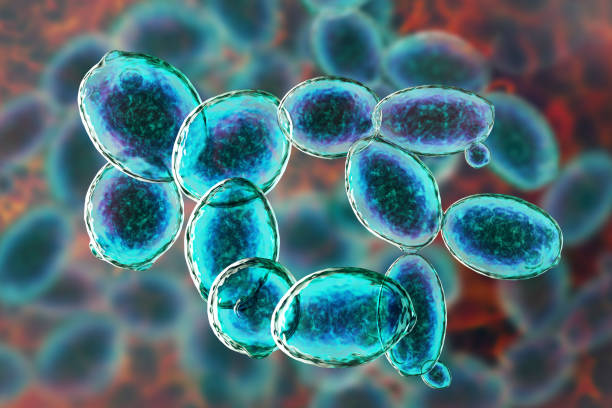
The researchers engineered Saccharomyces cerevisiae, the same yeast species that facilitate bread and beer-making, to detect ATP with the human receptors. They used CRISPR-Cas 9, a type of gene-editing technology, to introduce a gene that is activated by inflammation in the gut. They linked the activation of this receptor to secret the enzyme apyrase, which degrades ATP. The result is, probiotic that senses a pro-inflammatory molecule, extracellular ATP(eATP), generates a proportional self-regulated response to neutralize it. The engineered yeast produces different amounts of enzyme, depending on how many inflammatory signals are produced. In the mouse model of IBD, the probiotic performed better than standard therapies for IBD. This approach could work to mitigate inflammation not only in gut but also in other parts of the body. The therapy also helped to restore the balance of gut flora in the mice and this therapy can even help with other inflammatory conditions, including diseases like Parkinson’s disease that are anchored or initiated in the gut.
This approach is the next step of personalized medicine, going one step beyond that to adjust therapy only to those specific areas of the patient that are diseased. With this knowledge, we have the ability to develop novel personalized treatments for IBD patients.
 World of Science